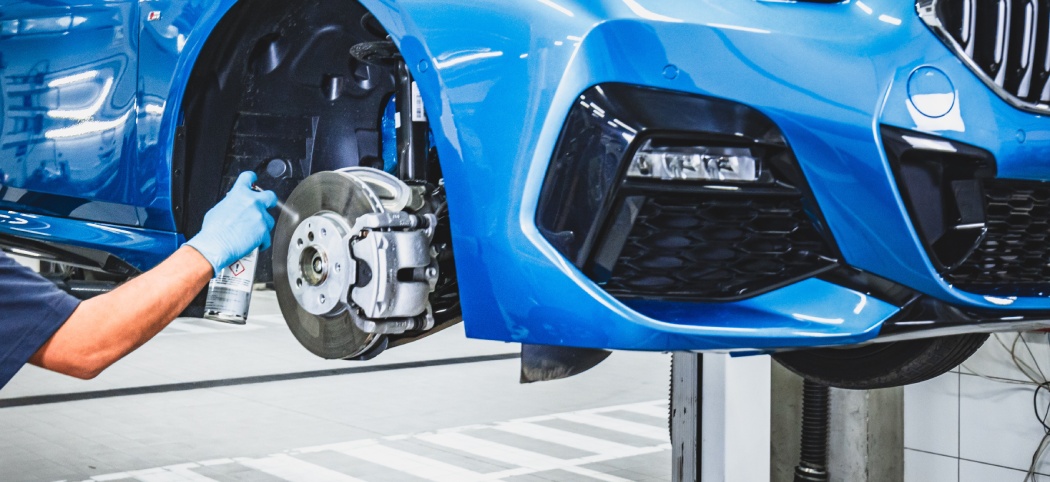
Brake rotors do more than give brake pads a place to grip. They absorb heat, help create smooth stopping force, and influence pedal feel every time you slow down on the Beltline, approach downtown traffic near the Capitol, or commute through Dane County. At Russ Darrow Mazda of Madison, our service team evaluates rotors as part of brake inspections because the right repair depends on rotor thickness, surface condition, heat damage, and how the vehicle is driven. Rotor resurfacing, also called machining or turning, removes a thin layer of metal to create a flatter, cleaner braking surface. Rotor replacement installs new rotors when machining would leave the rotor too thin, when damage is too severe, or when long-term braking performance is the priority. For drivers in Madison, WI, this decision often comes down to safety, value, and confidence behind the wheel. A rotor that can be machined properly may restore smooth braking without replacing the part, especially if the issue is light scoring or minor pedal pulsation. However, a rotor that is warped, deeply grooved, cracked, rust-pitted, or already near its discard specification should be replaced. The best answer is not one-size-fits-all. A trained technician measures, inspects, and considers the entire brake system before recommending machining or replacement.
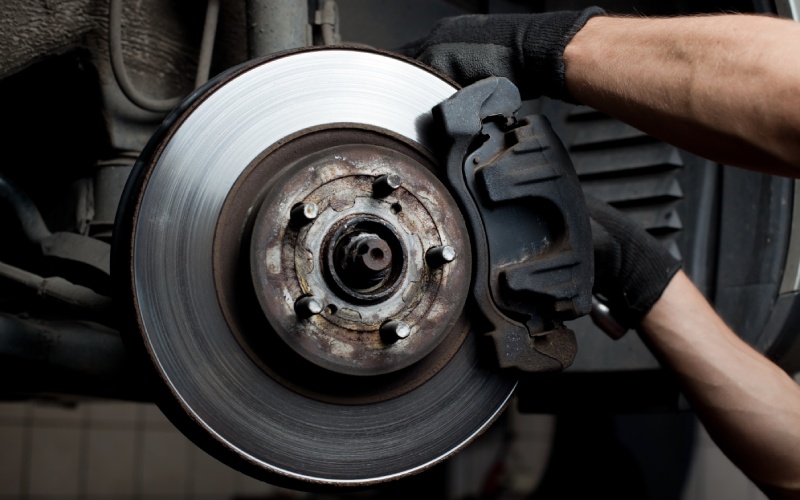
Machining is a precision process, not a shortcut. A brake lathe removes material from both rotor faces to create a smooth, parallel surface that allows the brake pads to contact evenly. This can reduce steering wheel shake, brake pedal pulsation, and scraping noises caused by uneven pad deposits or minor surface wear. Still, every rotor has a finite amount of usable metal. If too much material has already worn away, resurfacing can reduce the rotor’s ability to handle heat. That matters because thinner rotors may heat up faster, cool less effectively, and become more prone to renewed vibration. Our certified service center uses state-of-the-art equipment and diagnostic procedures to help determine whether machining will truly improve braking or simply delay a replacement that is already needed.
Minimum rotor thickness is the most important technical limit in the resurfacing decision. Vehicle manufacturers publish a minimum thickness, often called discard thickness, for each rotor design. The number may be stamped on the rotor hat, listed in service information, or verified through manufacturer repair data. A technician uses a micrometer to measure the rotor at multiple points because wear is not always even from the inner face to the outer face. The key detail is that the rotor must remain above specification after machining. If a rotor measures barely above the limit before resurfacing, it may fall below the safe threshold once the lathe removes enough material to clean up grooves and unevenness. That is when replacement becomes the responsible recommendation. Minimum thickness is not just a paperwork requirement. Rotor mass affects how the brake system manages heat, and heat directly affects brake fade, stopping consistency, pad life, and fluid stress. A rotor below its limit can also be more vulnerable to cracking or rapid warping under repeated stops. On Mazda vehicles and many other makes, brake systems are engineered with exact tolerances for rotor thickness, pad friction, caliper movement, and wheel hub runout. Staying within those limits helps preserve balanced braking and supports the refined, predictable driving feel Mazda owners expect.
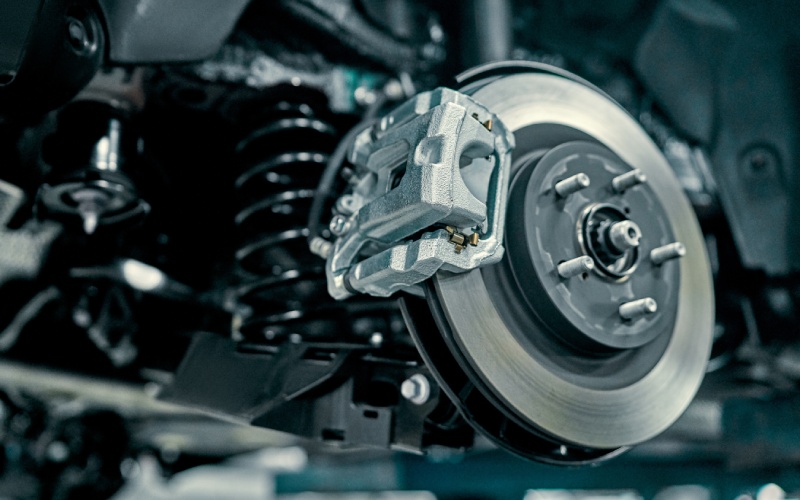
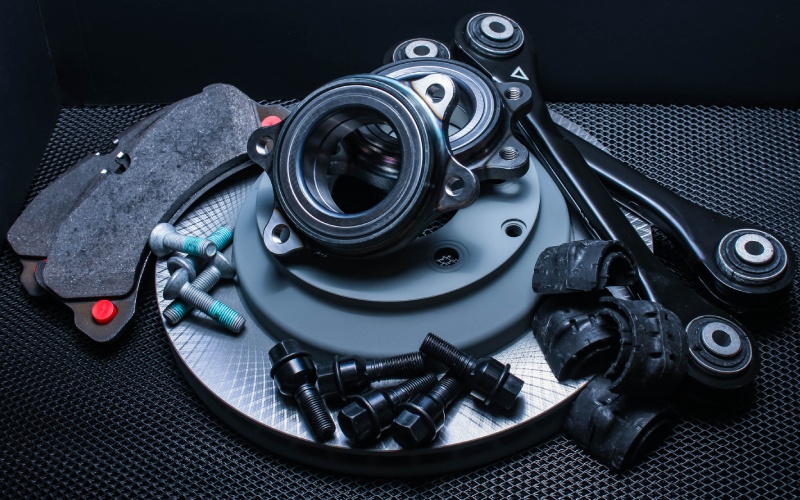
Cost should be considered in terms of service life, not only the immediate repair order. Resurfacing can be a smart value when the rotors are thick enough, the damage is minor, and the goal is to restore a proper friction surface. Replacement is often the better investment when rotors are heavily worn, rust-damaged, overheated, or paired with new pads that need a clean, stable surface for proper bedding. Drivers comparing brake service in Madison, WI should also remember that braking problems rarely involve only one component. Caliper slides, brake fluid condition, wheel bearings, tires, and suspension wear can all affect stopping feel. A careful inspection helps avoid replacing good parts or machining rotors that cannot deliver lasting results.
Can rotors always be resurfaced instead of replaced?
No. Rotors can only be resurfaced if enough material remains to stay above the manufacturer minimum thickness after machining and if the rotor is free from serious cracks, heavy corrosion, severe heat checking, or structural damage. At Russ Darrow Mazda of Madison, our technicians measure and inspect before recommending either option.
Will resurfacing rotors fix brake vibration?
It can, if the vibration is caused by minor rotor runout, uneven surface deposits, or light scoring. If the vibration is caused by a rotor that is too thin, a hub issue, sticking caliper, worn suspension part, or uneven tire wear, resurfacing alone may not solve the concern. Diagnosis matters before repair.
Do new brake pads require new rotors?
Not always. New pads can be installed with resurfaced rotors if the rotors meet all service requirements. However, if the old rotors are grooved, below specification, heavily rusted, or heat damaged, new rotors help the pads bed properly and can improve pedal feel, noise control, and braking consistency.
How does rotor choice affect braking performance?
A properly machined rotor can restore smooth pad contact, while a new rotor provides full usable thickness, stronger heat capacity, and a fresh friction surface. Both can support confident braking when done correctly, but replacement usually provides the most complete reset for the brake system.
Your brakes should feel smooth, predictable, and ready whenever traffic slows, a light changes, or a quick stop is needed. The right rotor decision starts with accurate measurement, honest guidance, and parts that fit the vehicle properly. Our service department offers brake inspections, brake pad replacement, brake fluid service, rotor service, diagnostics, and genuine Mazda parts when applicable. We also service many makes and models, making our team a practical choice for households with more than one vehicle. If you are noticing squeaking, grinding, vibration, longer stopping distance, a pulsing pedal, or a brake warning light, do not wait for the concern to become more expensive or less predictable. Schedule brake service with Russ Darrow Mazda of Madison and let our factory-trained technicians inspect the pads, rotors, calipers, brake fluid, tires, and related components. We will explain whether resurfacing or replacement makes sense based on measurements and condition, not guesswork. For dependable brake care in Madison, WI, contact our service team, use our online scheduling tools, or visit us on W Beltline Hwy. Russ Darrow Mazda of Madison is here to help you protect your vehicle, your passengers, and your confidence on every drive.