



How to Choose and Maintain Mazda Tires for Confidence in Madison, WI
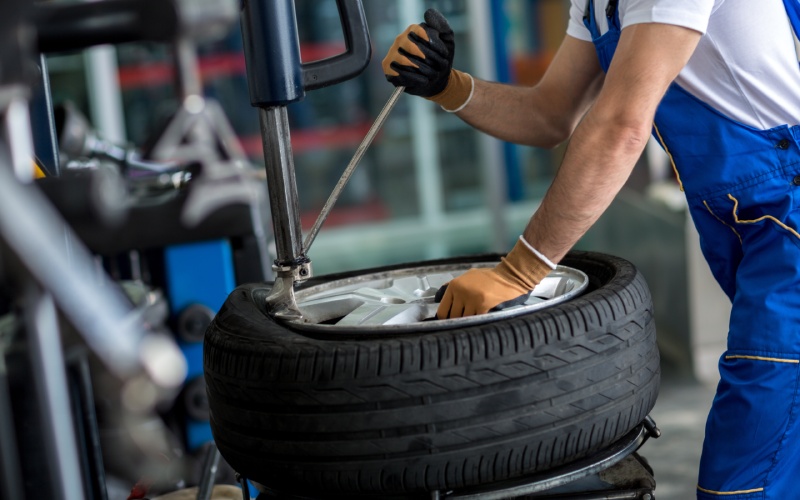
Russ Darrow Mazda of Madison – How to Choose and Maintain Mazda Tires for Confidence in Madison, WI
When your commute runs from the West Beltline to East Washington or up U.S. 151, the right tires make every mile quieter, safer, and more predictable. If you have wondered which tires to buy for a Mazda CX-5, CX-50, CX-30, or Mazda3—and how to keep them performing through daily starts, stops, and quick Beltline merges—use this guide to pinpoint the best match for your routes and driving style in Madison, WI.
Which tire type truly fits your Mazda and your routes?
All-season, all-weather, and dedicated winter tires each solve different problems. Modern all-seasons balance tread life, ride, and wet traction—a practical choice for many Madison drivers who prioritize year-round convenience. All-weather tires bridge the gap with a snowflake rating for improved cold-weather grip while remaining suitable in warmer months, a smart fit for drivers who want winter confidence without a seasonal swap. Dedicated winter tires add flexible rubber compounds and aggressive sipes for maximum traction on packed snow and ice, the best choice if you regularly leave before plows or head out on backroads after storms.
Beyond category, sizing and ratings matter. Stick with the factory size on your door jamb or owner’s manual to preserve speedometer accuracy, ABS/ESC behavior, and steering response. Load index and speed rating should meet or exceed Mazda’s spec to support stability during highway merges and evasive maneuvers. For CX-50 and CX-5 owners who split time between city errands and Beltline stretches, look for tread patterns that channel water efficiently and shoulder blocks that resist cupping.
- Factory size first: Using OE dimensions maintains suspension geometry, speedometer accuracy, and on-center steering feel.
- Load index and speed rating: Match Mazda’s specs or higher to handle passengers, cargo, and highway speeds safely.
- UTQG wear and traction: Compare treadwear numbers for longevity and traction grades for wet-stopping confidence.
- Noise and comfort: Tread design and rubber blend affect cabin quietness, especially noticeable on concrete stretches.
- Road-hazard support: Consider coverage for punctures and sidewall damage from potholes and debris.
Serving errands downtown today and a soccer run tomorrow near Sun Prairie, WI? Choose a tire that balances quiet ride with wet braking, and schedule rotations to keep wear even front to rear.
Get traction that matches Dane County realities
Madison’s mix of crowned side streets, metal bridge joints, and occasional gravel cut-throughs can punish tires. Prioritize a tread with circumferential grooves to resist hydroplaning on heavy-rain days and lateral sipes that maintain bite during quick lane changes. For CX-30 and Mazda3 drivers sensitive to steering precision, a stiffer sidewall can sharpen response, while a comfort-biased carcass softens expansion-joint impacts along the Beltline. If you tow light gear with a CX-50 or load up the CX-90, ensure the load index supports real-world payloads.
Maintenance is half the battle. Set tire pressures cold to the door-jamb spec, not the sidewall maximum. Under-inflation raises heat and wear; over-inflation reduces contact patch and traction. A road-force balance can tame subtle vibrations that conventional balancing misses, especially noticeable at 60–70 mph. Pair that with a four-wheel alignment after curb strikes or pothole hits to protect tread life and steering feel.
- Rotation interval: Every 5,000–7,500 miles to equalize wear and quiet pattern noise.
- Alignment check: After potholes, curb impacts, or when you see inner or outer shoulder wear.
- Tread depth targets: Replace at 4/32 inch for wet safety and 5/32 inch if you expect snow travel.
- TPMS light on: Verify pressures with a gauge and inspect for punctures before sensor service.
- Seasonal switch plan: If using winter tires, install around sustained temps below 45°F and remove in spring.
DIY tire checks you can do in your driveway
Start with a reliable digital gauge and a simple tread-depth tool. Measure pressure before your first drive of the day, then match all four corners to the driver-door spec. Next, scan for uneven wear: inner shoulders thin first with excessive negative camber, while feathering across blocks hints at alignment or toe issues. Read the tire sidewall—an example, such as 225/55R19 99V tells you width, aspect ratio, wheel diameter, load index, and speed rating. Keep photos of each tire every few months to spot trends that are easy to miss day-to-day.
Use the quarter test for a quick wet-weather gauge: insert a quarter into the tread grooves; if Washington’s head is fully visible, wet braking is compromised, and you should plan a replacement. Note any persistent pull, vibration, or humming that changes with speed—those clues help a technician pinpoint separations, bent wheels, or balance concerns faster, saving you time and preserving tread life.
Frequently Asked Questions:
Do I need road-force balancing, or is standard balancing enough?
Standard balancing corrects weight imbalance; road-force adds a roller to simulate load, revealing hidden high spots. If you feel a highway-speed vibration that persists after a normal balance, road force is often the fix.
How often should I align my Mazda?
Check alignment annually or any time you hit a pothole hard, replace suspension parts, or notice uneven wear or steering pull. Proper alignment protects your tire investment and steering feel.
Are all-season tires enough for winter?
All-seasons work for many drivers, but if you leave early before plows or drive unplowed side streets regularly, dedicated winter tires provide a noticeable safety margin for braking and turning on packed snow and ice.
Can I upsize my wheels and keep ride quality?
Upsizing often reduces sidewall height, sharpening response but firming the ride. Work with OE-plus sizes that maintain overall diameter and verify load and speed ratings to preserve ABS/ESC calibration and speedometer accuracy.
How do I choose between H, V, and W speed ratings?
Match Mazda’s rating or go higher. Higher ratings typically use stiffer construction for stability, which can improve steering precision at the cost of a slightly firmer ride.
When you are ready to compare options, our tire center can recommend models matched to your Mazda and daily routes, mount and balance them with precision equipment, reset TPMS, and schedule your first rotation. We also support online tire shopping with VIN-guided fitment, so you can confirm specs before a single lug nut turns.
Whether your schedule keeps you in downtown Madison or you frequently visit friends near Sun Prairie, WI, staying ahead on tires protects everything you count on—braking, steering, ride comfort, and fuel economy. If you want expert guidance, our team at Russ Darrow Mazda of Madison can help you choose the right tire, set it up correctly, and keep it wearing evenly mile after mile.
Shop and compare by vehicle, tire size, or license plate, then book installation at a time that works for you. From quiet, comfortable all-seasons for your CX-5 to confidence-boosting winter rubber for your CX-30, you have local, model-specific support close to home right here in Madison.
0 comment(s) so far on How to Choose and Maintain Mazda Tires for Confidence in Madison, WI