



Why Your Steering Wheel Shakes When Braking — Expert Brake Service near Sun Prairie, WI
Russ Darrow Mazda of Madison – Why Your Steering Wheel Shakes When Braking — Expert Brake Service near Sun Prairie, WI
Few driving sensations are more unsettling than a steering wheel that shimmies when you press the brake pedal. If you notice this around Sun Prairie — whether easing off US-151, slowing for Prairie Lakes traffic, or stopping on Windsor Street — the symptom is telling you something about your braking system, steering, or suspension. The good news: a focused inspection can pinpoint the cause and restore smooth, confident stops without guesswork or wasted time.
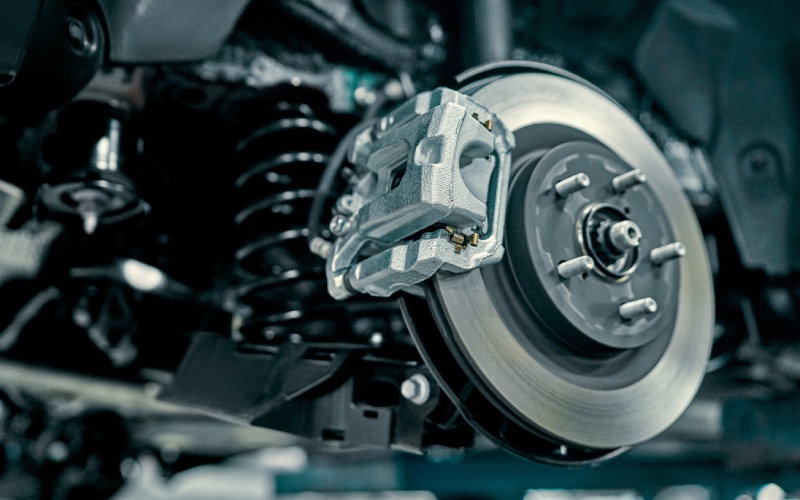
While warped rotors get the blame, the most accurate term is rotor thickness variation. Over time, heat cycles, uneven pad transfer, or improper lug torque can create tiny differences in rotor thickness that the caliper “feels” as the rotor spins, sending a pulsing sensation up the steering column. Other contributors include stuck slide pins, worn hub bearings, unevenly torqued wheels, and tires that are out of balance. On vehicles with higher miles, loose suspension bushings or a front-end alignment issue can magnify the shake you feel while braking.
What a proper vibration diagnosis includes
A thorough visit begins with a road test at neighborhood and highway speeds to reproduce the vibration. Next, a technician measures front-rotor thickness and runout with precision tools, checks pad condition and glazing, and verifies caliper operation and slide-pin freedom. The front hub face is cleaned and checked for runout, wheel bearings are evaluated, and wheel torque is measured to confirm even clamping force. Tires are inspected for cupping or uneven wear, then balanced if necessary. If alignment angles are contributing to the sensation under braking, a 4-wheel alignment can restore straight-line stability and reduce steering kickback.
From there, a recommended plan typically includes resurfacing or replacing rotors (depending on thickness and heat-checking), installing matched-quality pads, refreshing hardware, and properly torquing wheels. Just as important, new pads and rotors need a careful break-in procedure so a uniform transfer layer forms on the rotor face. Skipping that step can reintroduce vibration even with brand-new parts.
Local roads and why Sun Prairie drivers feel shake sooner
Every community’s roads place different demands on brakes. Around Sun Prairie, frequent deceleration from 45–55 mph down to stoplights, mixed with neighborhood speed changes and roundabouts, builds heat in front rotors. Add in occasional hard stops on Grand Avenue or Main Street and you have the perfect environment for uneven pad deposits if parts are worn or incorrectly bedded. Short, repeated trips — the kind that never fully cool the brakes nor keep them uniformly hot — can also accelerate thickness variation.
If you split time between Sun Prairie and errands in Madison, WI, the Beltline’s stop-and-go traffic and downtown ramps compound those heat cycles. That’s why an inspection tailored to your routes, combined with the right friction material, hardware, and installation practices, makes such a difference. It’s not just parts — it’s process, road awareness, and validation on a test drive that mirrors your daily use.
Repair vs. replace: what’s smarter for rotors and pads?
Resurfacing makes sense when rotors are above minimum thickness and the surface can be trued. Replacement is the safer call if rotors are at or near spec, are heat-checked, or if you want the longer-term consistency of new discs. Pads should match the rotor choice and your driving — quality OEM-replacement pads are engineered to complement caliper design, reduce noise, and deliver stable friction. Mixing an aggressive pad with a thin rotor can invite vibration back early; pairing components intentionally prevents that.
Pad hardware matters, too. Clips and shims isolate vibration and let the pad move exactly as designed. Neglecting hardware or lubrication on slide pins creates uneven wear and grabby feel. A complete service addresses these details so the brake job stays quiet and consistent long after you leave the shop.
When a brake vibration is not the brakes
Sometimes the fix is up front — but not inside the caliper. Imbalanced tires, bent wheels, worn tie-rod ends, and alignment concerns can all mimic or amplify a vibration that appears only when stopping. That is why the right answer begins with measurement and elimination: check the tire-and-wheel package, torque, runout at the hub and rotor, then pad and caliper function, and finally suspension wear. If you tow a small trailer or frequently load the vehicle for weekend sports, ride height and rear bushings can even affect how weight transfers under braking, changing what you feel in the steering wheel.
Drivers often ask whether rear brakes can cause a front steering shake. Indirectly, yes — a rear imbalance can upset overall vehicle stability, but most steering-wheel pulsing points to the front axle. Experienced technicians can validate that quickly on a road test and lift inspection.
How to prevent shake from returning
- Choose quality parts matched to your vehicle and driving habits.
- Ensure proper rotor surface prep and pad bedding after installation.
- Torque wheels in a star pattern with a calibrated torque wrench.
- Rotate and balance tires at recommended intervals; correct any cupping early.
- Address alignment or suspension wear that adds feedback under braking.
Small habits matter. After a highway exit, try to stop once smoothly rather than multiple quick stabs at the pedal. Avoid sitting stationary with hot brakes clamped hard — when safe, release pressure lightly to reduce uneven pad imprinting on a hot rotor.
Where to get expert help near Sun Prairie
For brake vibration concerns, you want a team that starts with measurement, explains findings clearly, and installs components with care. Our factory-trained technicians follow Mazda procedures for Mazda vehicles and apply the same disciplined process to other makes we service. We inspect pads, rotors, calipers, hubs, bearings, tires, and alignment, then build a plan that fixes the root cause — not just the symptom — and validates the result on a road test. With full Saturday hours and convenient weekday appointments, it’s easy to fit a proper inspection into your schedule.
If you shop, commute, and run weekend errands around Sun Prairie, smooth, straight stops are non-negotiable. A quick visit can confirm whether resurfacing will do the job or new rotors and pads are the better long-term value for your driving. Located a short drive down US-151, our Madison facility is set up with the right tools and parts to get the job done right the first time.
Frequently Asked Questions:
Why does my steering wheel shake only at highway speeds when braking?
Higher speeds magnify small rotor runout, tire imbalance, or alignment issues. A precise measurement of rotor thickness variation and a tire balance check usually isolates the cause quickly.
Can improper wheel torque cause brake pulsation?
Yes. Over- or uneven-torqued lug nuts can distort the rotor hat against the hub, creating runout that becomes pedal and wheel pulsation. Always torque wheels with a calibrated wrench.
Should I replace pads and rotors together?
Often, yes. New pads on worn rotors can bed inconsistently, reintroducing vibration. Matching fresh, properly prepped rotors with new pads gives the best chance for long-term smoothness.
How long does a quality brake vibration repair take?
Time depends on findings — from a balance and resurface to full replacement and alignment. After inspection, you’ll receive a clear time estimate tailored to your vehicle and the repair scope.
Is it safe to keep driving with a mild shake?
Minor vibration may not be immediately dangerous, but it can worsen, lengthen stopping distances, and wear suspension or tire components. Schedule an inspection before it escalates.
Brake vibration is fixable — and fixable the right way with careful diagnostics, matched parts, and validated installation. If you’re ready for confident, quiet stops around Sun Prairie, schedule a comprehensive brake inspection with a trusted local team today. Our location on the Beltline in Madison, WI makes it an easy drive, and our process is designed to deliver results you can feel every time you slow for a light or merge off the highway.
When you want the job done with factory-level precision and clear communication, count on Russ Darrow Mazda of Madison for brake service you can trust.
0 comment(s) so far on Why Your Steering Wheel Shakes When Braking — Expert Brake Service near Sun Prairie, WI